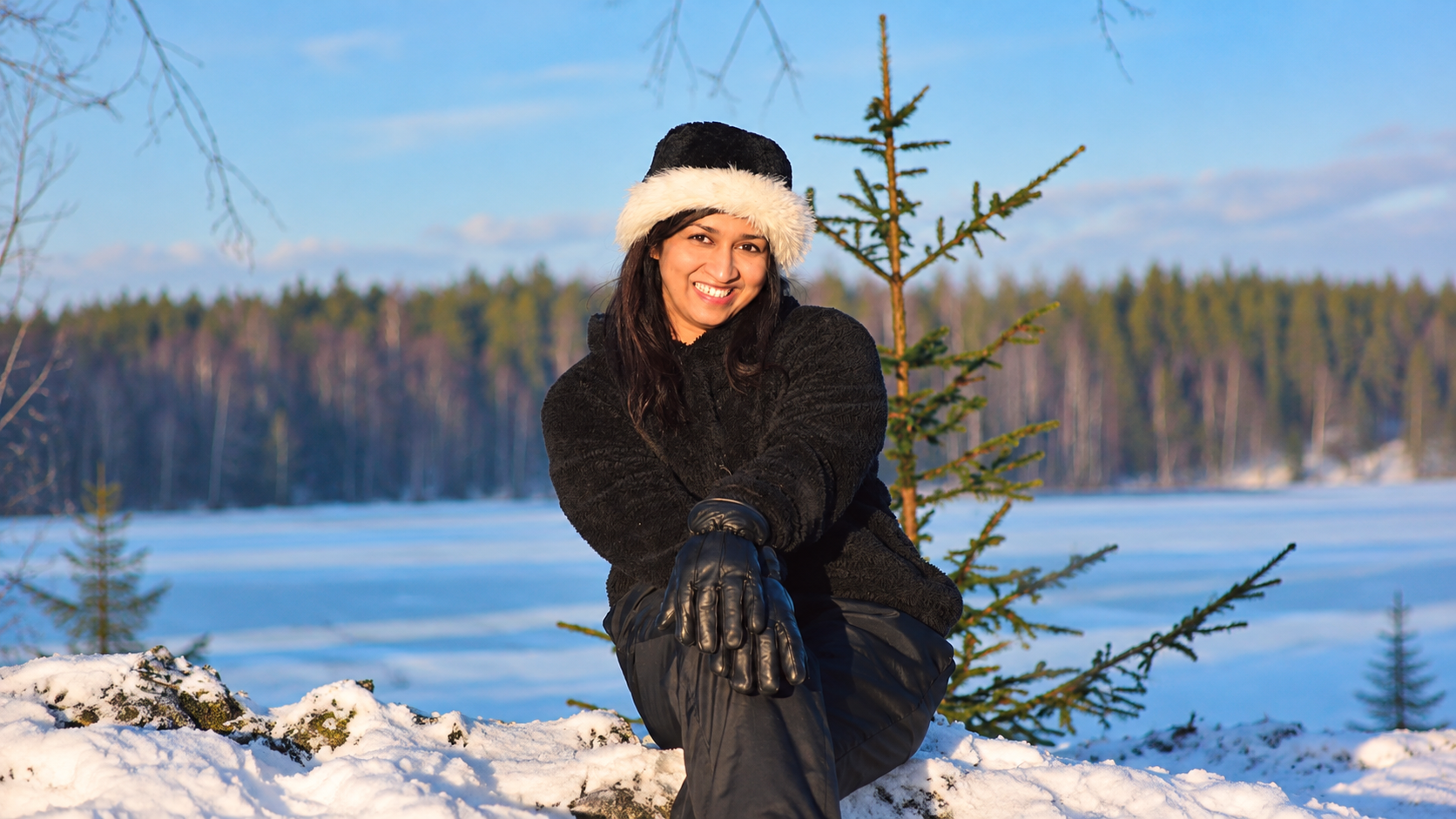
I am Anupama Meththananda. In the autumn of 2024, I came to Finland with my family, beginning a new chapter of my life and my studies in Sustainable Forest Management at Häme University of Applied Sciences at Evo campus. Coming from Sri Lanka, I arrived with an interest in forests, but I did not know how deeply Finnish forests would influence the way I see nature, learning and even lifestyle. What started as an academic journey has slowly become a personal journey of discovery, resilience, and growth.
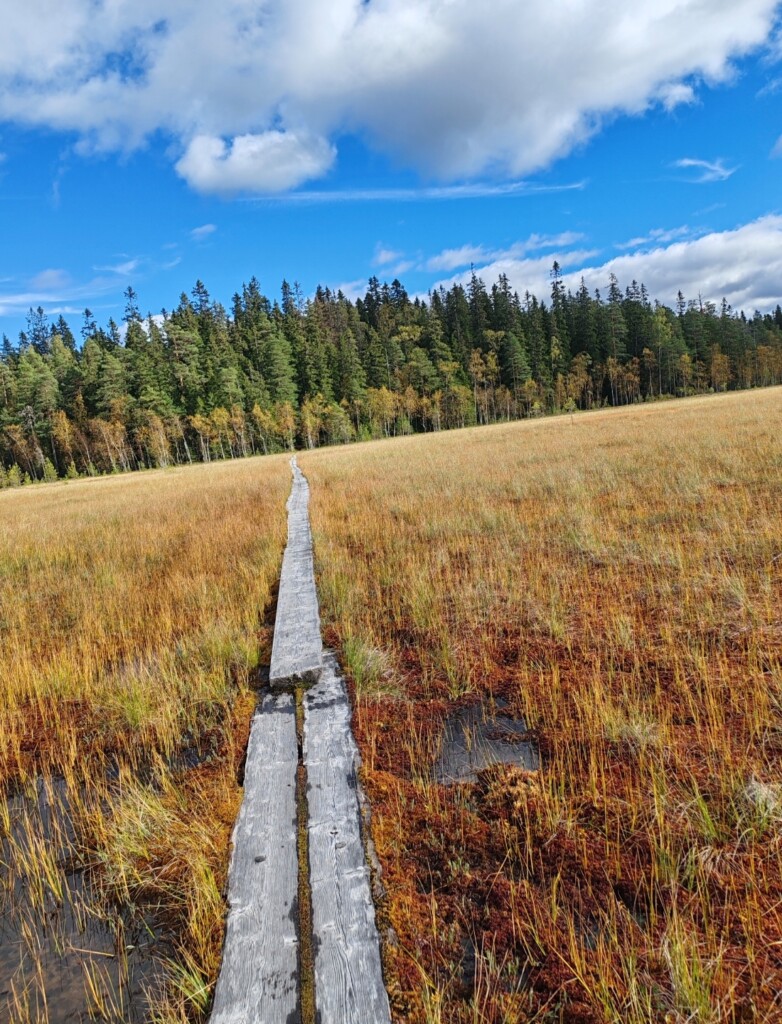
When I first came to Finland, I knew that the country was famous for forests. However, I did not understand how deeply forests were connected to Finnish life, culture, the economy and people’s everyday well-being. Now, as a forestry student, I no longer see Finnish forests simply as beautiful places to walk. They have become classrooms, learning environments, and quiet places where I can reflect on life.
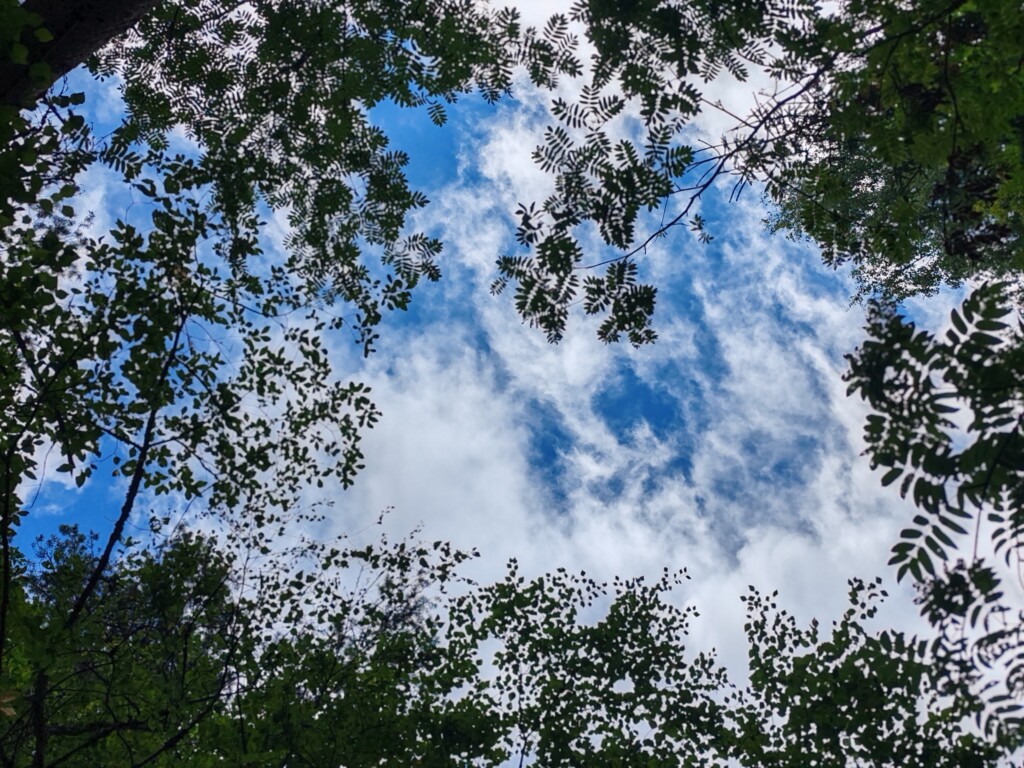
A forest does not grow in one day
One of the most important lessons I have learned from forests is patience.
A tree does not become strong in a few weeks or months. It grows through many seasons, facing cold winters, strong winds, snow, rain and changes in temperature. Yet it continues to grow.
As a Sustainable Forest Management student, I have started to understand forest growth not only as a biological process, but also as something that can teach us about ourselves.
When I began my studies at Evo, there were many new things to learn. Forest ecology, fieldwork, forest data, mapping, forest management and even Finnish vocabulary could sometimes feel overwhelming. There were moments when I wondered whether I was progressing quickly enough.
Then I looked at the forest.
The forest does not hurry.
It grows year by year.
That reminds me that learning can also be slow. We may not notice our progress every day, but small steps eventually become meaningful changes.
Every tree has its own role
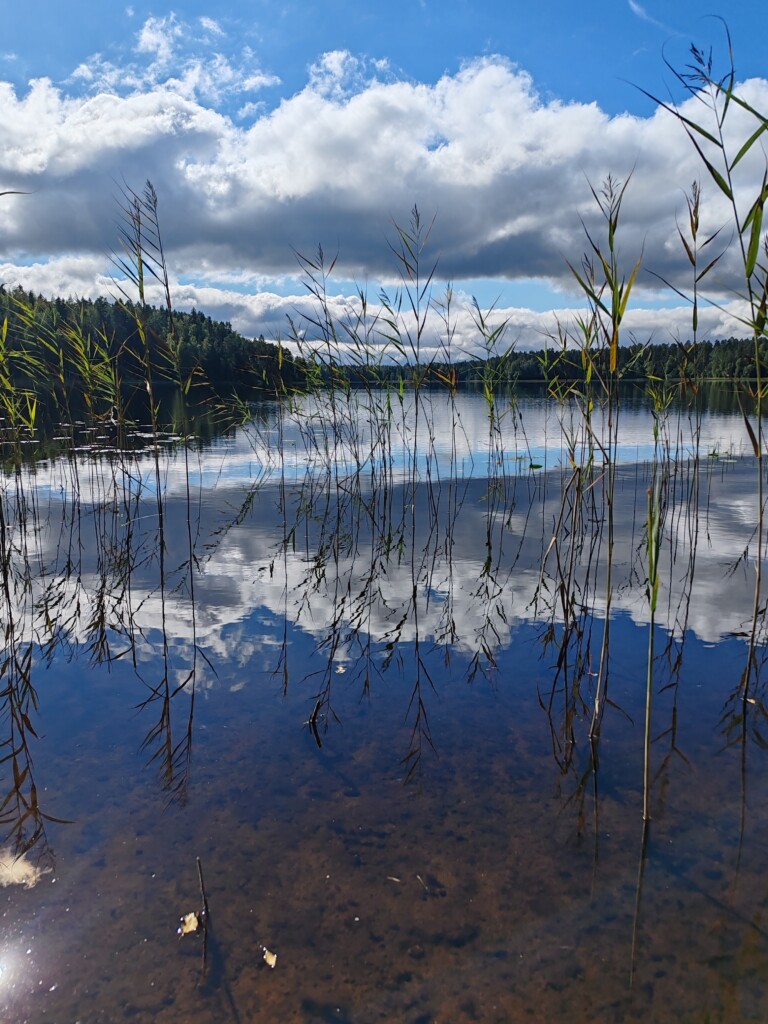
Finnish forests are not made up of only one kind of tree. Pine, spruce, birch, and many species of other broadleaved trees grow with many other plants species, fungi and organisms. Each has its own characteristics, needs and ecological roles.
During my studies, I have learned to look more closely at these differences. A tree is not simply a tree. Its species, age, size, soil, growing conditions and surrounding environment all matter.
This has also changed the way I think about people.
We often compare ourselves with others. Someone may learn faster, speak a language more confidently, find a job sooner or reach a goal earlier. But a forest does not work through comparison. Different trees grow at different speeds and under different conditions.
The strength of a forest comes partly from its diversity.
I think people are similar. We do not all have to follow the same path. Our different experiences, abilities and ways of growing can make a community stronger.
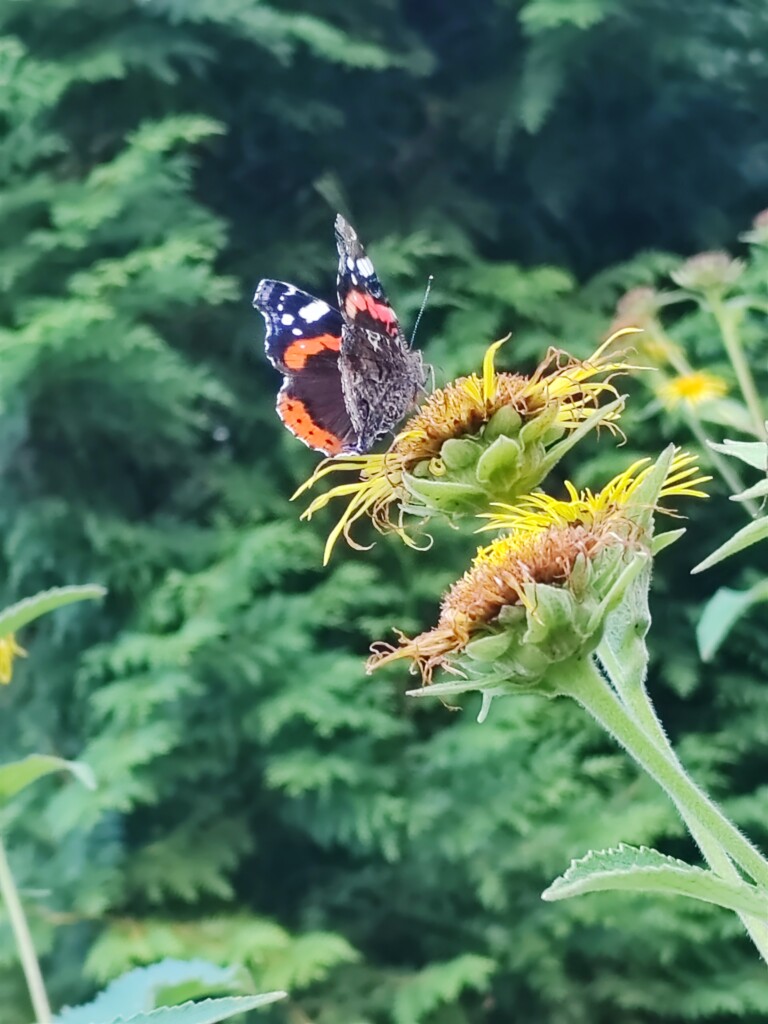
The forest is a classroom
One of the most interesting parts of studying Sustainable Forest Management is that learning does not happen only inside a classroom.
The forest itself becomes a learning environment.
During field activities, I have learned to observe tree species, forest structures, site conditions, and different forest patterns. I have also worked with forest data, maps, geographic information systems, and digital tools that help us understand forests more deeply.
Before beginning my forestry studies, I walked through forests and simply admired nature.
But now I stop and ask questions.
What type of forest is this?
Which tree species are growing here?
What is the condition of the stand?
How does the forest support biodiversity?
What kind of management would be suitable?
How can forest resources be used while protecting nature?
The more I learn, the more I realise how complex a forest really is.
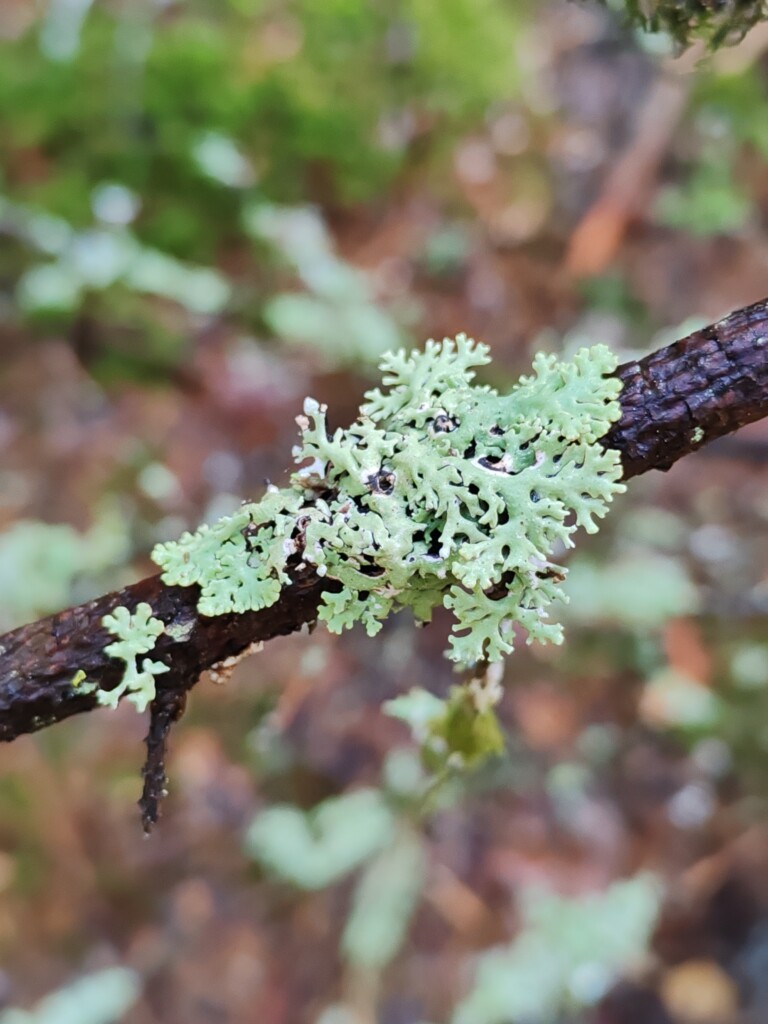
Winter does not mean the end
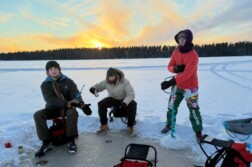
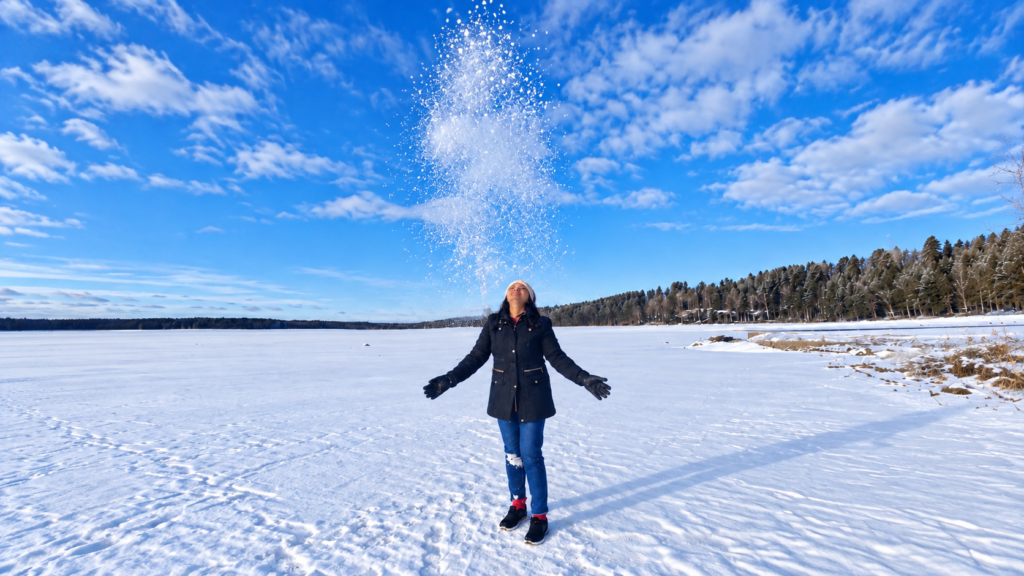
My 1st Finnish winter was a completely new experience. The cold, snow and short days were very different from the environment I had known before. It felt difficult and unfamiliar.
But the forest taught me a beautiful lesson, Winter is never the end of the story. Even after the coldest days, you will see sunshine. You will survive, perhaps better than ever before.
This brings to mind one of my favorite books, The ‘First Teacher‘ by Chinghiz Aitmatov. Its message has stayed with me over the years, life may bring harsh winters, unexpected storms and moments when hope seems distant, but spring will always follow. No winter lasts forever, and even the smallest signs of new life remind us that change is possible.
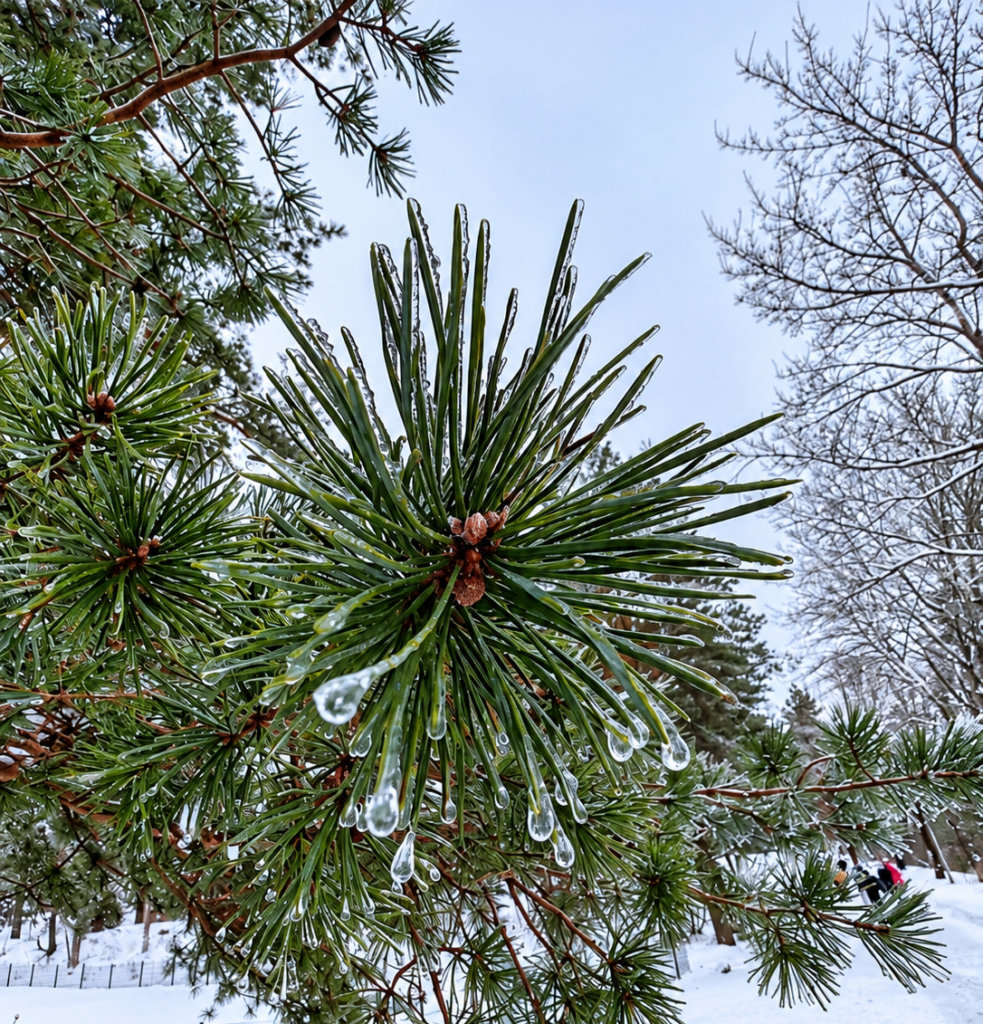
Trees survive the cold season, and life continues even when much of it is hidden beneath the snow. Then spring arrives, the snow melts and growth begins again.
I believe this is one of the most powerful lessons nature has bestowed upon us.
Uncertainty, loneliness, language challenges, academic pressure or moments when progress seems very slow may feel as if we are standing in the middle of a long winter.
But seasons change.
Even in our darkest seasons, life is quietly preparing us for a new beginning.
Nature reminds us that not all growth is visible.
Sometimes we are developing quietly, preparing for the next season of our lives.
Forests give more than timber
Studying forestry has also changed my understanding of what makes a forest valuable.
Forests provide renewable raw materials and support many livelihoods. Wood can be used in construction, paper products, packaging, energy and many other applications.
But the value of forests goes far beyond timber.
Forests provide habitats for wildlife, support biodiversity, store carbon, protect soil and water, and give people places to walk, relax and connect with nature.
For me, this multifunctional value is one of the most interesting parts of sustainable forest management.
Forest management is not simply about producing wood. It is about finding a balance between different needs and thinking about the future.
We need forests for the economy, but we also need them for biodiversity, climate, recreation and future generations.
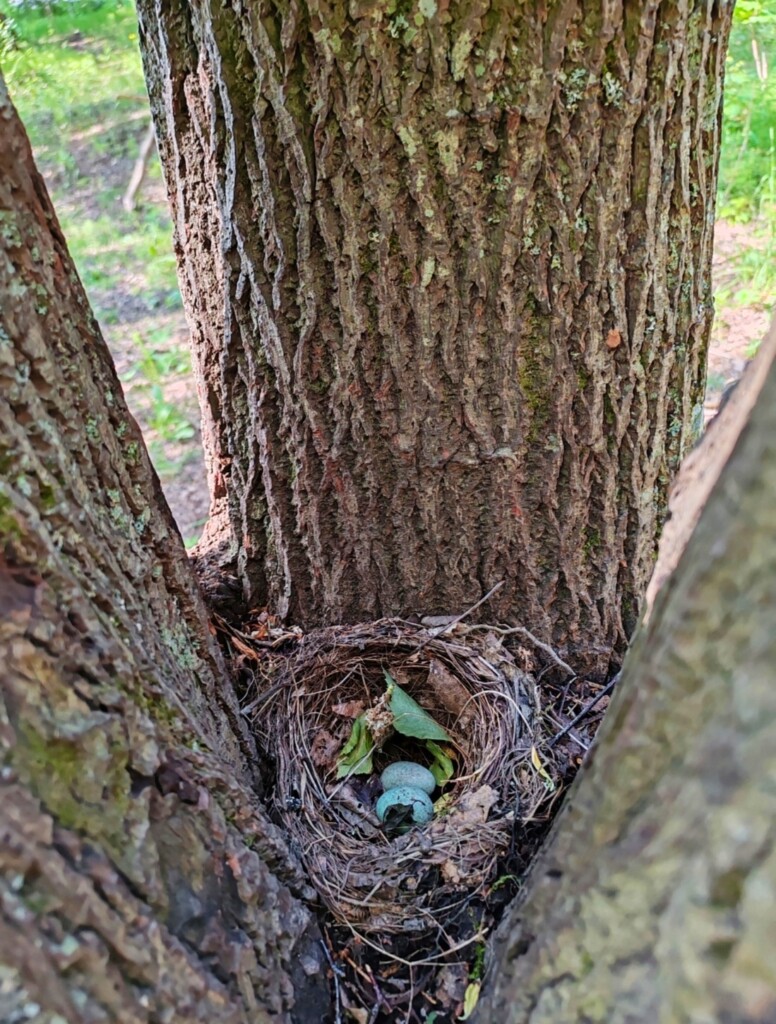
What the forest has taught me about myself
I came to Finland to study sustainable forest management, but the experience has taught me much more than forestry.
It has taught me patience.
It has taught me to notice small details.
It has taught me that difficult seasons are part of life.
Most importantly, it has taught me that growth does not have to be fast, but to be meaningful.
As an international student at HAMK, I am still learning. I am learning about Finnish forests, sustainable forest management, technology and the Finnish language. Every new lesson adds another layer to my understanding.
Sometimes I think about a small seedling growing quietly on the forest floor. It does not know how tall it will become. It simply continues to grow according to its conditions.
Perhaps people can learn something from that.
We do not always know exactly where our journey will take us. We may face unexpected challenges and changes, but we can continue learning, adapting and growing.
Today, when I walk through a Finnish forest, I no longer see only trees. I see the life beyond the trees!